
Product Categories
For purchase and inquiry
- 38-C Postogola DIT Plot, I/A Shyampur, Dhaka-1204
- 01720004147
- asianpetroltd@gmail.com
Loading

Lubricants & Chemicals Importers, Exporters, Manufacturers & Suppliers

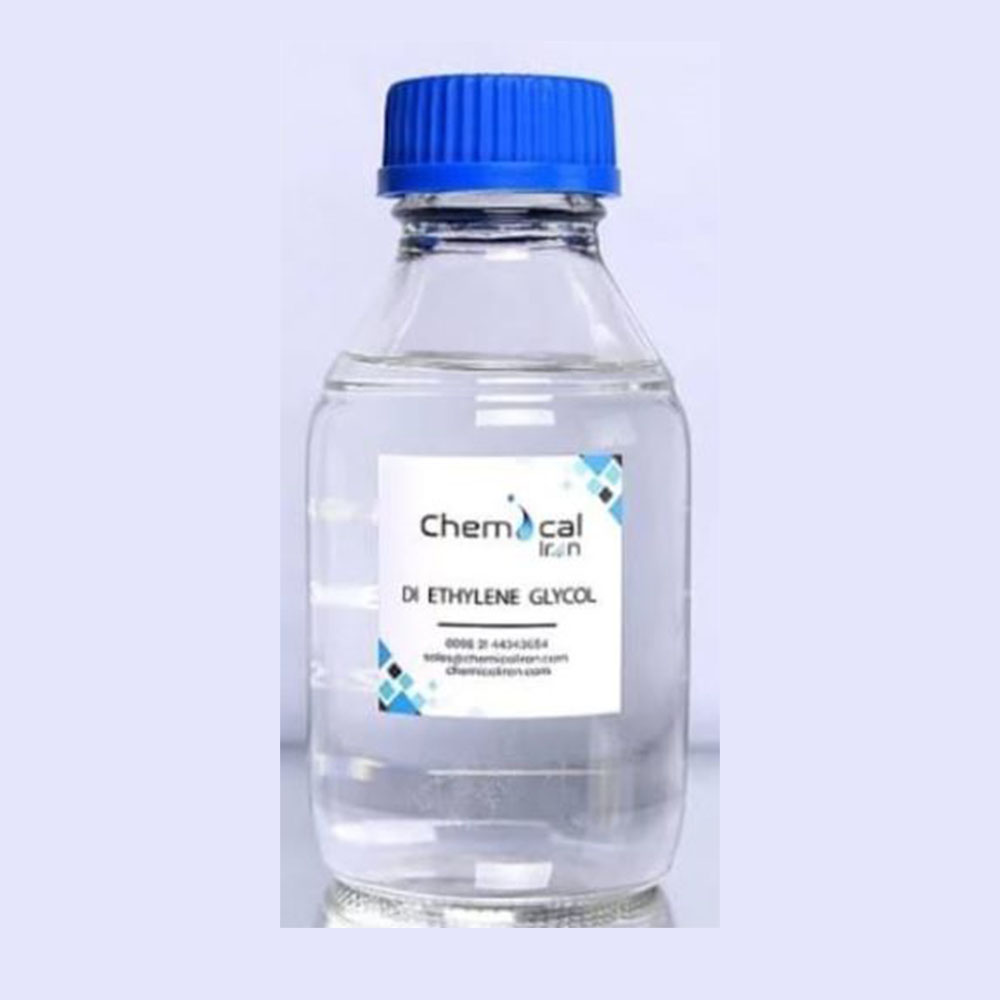
Diethylene glycol (DEG) is an organic compound with the formula (HOCH2CH2)2O. It is a colorless, practically odorless, and hygroscopic liquid with a sweetish taste. It is a four carbon dimer of ethylene glycol. It is miscible in water, alcohol, ether, acetone, and ethylene glycol.DEG is a widely used solvent.It can be a normal ingredient in various consumer products, and it can be a contaminant. DEG has also been misused to sweeten wine and beer, and to viscosify oral and topical pharmaceutical products. Its use has resulted in many epidemics of poisoning since the early 20th century.
DEG is produced by the partial hydrolysis of ethylene oxide. Depending on the conditions, varying amounts of DEG and related glycols are produced. The resulting product is two ethylene glycol molecules joined by an ether bond."Diethylene glycol is derived as a co-product with ethylene glycol (MEG) and triethylene glycol. The industry generally operates to maximize MEG production. Availability of DEG will depend on demand for derivatives of the primary product, ethylene glycol, rather than on DEG market requirements.
Diethylene glycol is one of several glycols derived from ethylene oxide. Glycols related to and co-produced with diethylene glycol and having the formula HOCH2CH2(OCH2CH2)nOH are:• n = 0 ethylene glycol ("antifreeze"); monoethylene glycol MEG• n = 1 DEG• n = 2 triethylene glycol, TEG, or triglycol• n = 3 tetraethylene glycol• n = 4 pentaethylene glycol• n > 4 polyethylene glycolThese compounds are all hydrophilic, more so than most diols, by virtue of the ether functionality.UsesDiethylene glycol is used in the manufacture of saturated and unsaturated polyester resins, polyurethanes, and plasticizers. DEG is used as a building block in organic synthesis of, for example, morpholine and 1,4-dioxane. It is a solvent for nitrocellulose, resins, dyes, oils, and other organic compounds. It is a humectant for tobacco, cork, printing ink, and glue.[7] It is also a component of brake fluid, lubricants, wallpaper strippers, artificial fog and haze solutions, and heating/cooking fuel.[3] In personal care products (e.g. skin cream and lotions and deodorants), DEG is often replaced by selected diethylene glycol ethers. A dilute solution of diethylene glycol can also be used as a cryoprotectant; however, ethylene glycol is much more commonly used.